

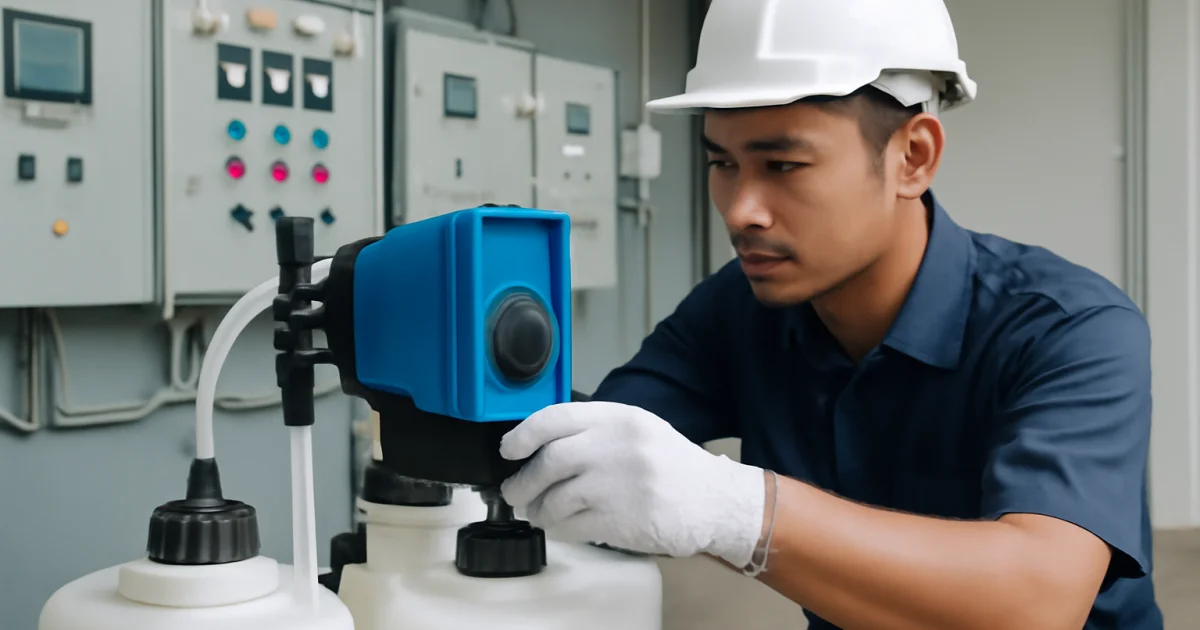
Proper chemical dosing is critical for industries, water treatment plants, and commercial facilities in Malaysia. A well-installed dosing pump system ensures precise chemical delivery, operational safety, and process efficiency. Whether you’re an industrial facility manager, M&E contractor, or wastewater treatment operator, this tutorial will guide you step-by-step through planning, installing, and commissioning a dosing pump system tailored for Malaysian conditions. For readers comparing options, Dosing Pump Malaysia is the main topic this guide explains.
Understanding Dosing Pump Systems
A dosing pump is a positive displacement pump designed to inject a specific volume of chemical or fluid into a process stream. Commonly used for water treatment, cooling towers, manufacturing processes, and wastewater management, dosing pumps support precise control of chemicals such as chlorine, acids, alkalis, and coagulants.
In Malaysia, dosing pump systems must withstand humid environments, fluctuating temperatures, and local industrial standards. Selecting the right system involves considering chemical compatibility, flow rates, pressure requirements, and integration with existing control panels or automation systems.
Step 1: Planning Your Dosing Pump Installation
Preparation is crucial for a safe and efficient setup. Begin by conducting a thorough site assessment:
- Identify Application Requirements: Determine the chemical to be dosed, target concentration, and total flow rates. For example, dosing chlorine into a water supply requires different specifications than dosing coagulants in a wastewater plant.
- Calculate Dosing Rate: Use the chemical supplier’s guidelines and process design to calculate the exact dosing rate (usually in LPH – litres per hour).
- Select the Right Dosing Pump: Choose a dosing pump rated for your chemical, pressure, and flow. Consider reputable brands with ready spare parts support in Malaysia, such as Grundfos or similar.
- Review Site Layout: Plan the position of the pump, chemical storage tank, suction and discharge pipes, and electrical connections. Place the pump as close to the chemical tank as possible while ensuring easy access for maintenance.
For complex systems, consult with an experienced pump supplier or contractor to ensure compliance with Malaysian safety and operational standards.
Step 2: Assembling the Dosing Pump System
Once planning is complete, proceed with assembly. Typical components include:
- Dosing pump (electromagnetic or motor-driven)
- Chemical storage tank with level indicator
- Suction and discharge tubing (PVC, PE, or compatible with the chemical)
- Injection valve (to ensure unidirectional flow into the process line)
- Foot valve with strainer (prevents debris from entering the pump)
- Pulsation dampener (optional, for steady dosing in sensitive processes)
- Control panel or timer (for automatic dosing)
Follow the manufacturer’s instructions for mounting the pump and securing components. Use chemical-resistant anchors and supports, as Malaysia’s humid climate can accelerate corrosion. Ensure all tubing is cut to length with smooth ends to prevent leaks.
Step 3: Making Electrical and Control Connections
Safe electrical connections are essential for reliable operation:
- Connect the dosing pump to a dedicated power supply with proper earthing. In industrial pump installations, a control panel may include a circuit breaker and overload protection.
- If using a timer, PLC, or water quality sensor, connect them to the control inputs as per wiring diagrams. This enables automatic dosing based on process needs—common in modern water pump systems across Malaysia.
- Label all cables and ensure junction boxes are sealed against dust and moisture.
- Test the control signals and manual override before introducing chemicals.
Note: For variable dosing, consider integrating a variable frequency drive (VFD) to adjust the pump rate according to real-time process requirements.
Step 4: Priming and Commissioning the System
With assembly complete, it’s time to prime and start the system:
- Fill the Chemical Tank: Add the designated chemical, checking for leaks or spills around all fittings.
- Prime the Pump: Open the suction and discharge valves. Use the manual priming lever or start the pump at low speed until the chemical flows steadily from the discharge point.
- Check for Leaks: Inspect all tubing, valves, and joints under pressure. Tighten fittings as necessary.
- Set Dosing Rate: Adjust the pump output using the calibration scale or control panel. For precise results, use a graduated cylinder to measure actual delivery over a set period.
- Test Control Functions: Activate automatic dosing if using timers or sensors. Simulate process conditions to verify correct response.
- Record Initial Readings: Log start-up parameters, chemical levels, and flow rates for future reference.
After successful commissioning, monitor the dosing pump system for at least 24 hours, making adjustments as required.
Step 5: Routine Maintenance and Troubleshooting
Regular maintenance extends the life of your dosing pump and ensures consistent performance:
- Inspect Tubing and Valves: Check for wear, blockages, or signs of chemical attack. Replace components as needed.
- Clean Filters and Strainers: Foot valves and injection points may accumulate debris—clean them regularly to avoid pump damage.
- Lubricate Moving Parts: Follow manufacturer guidelines for lubricating seals and mechanical components.
- Test the System: Periodically verify dosing accuracy and control responsiveness. Recalibrate if required.
- Keep Spare Parts: Maintain an inventory of essential spares—diaphragms, seals, valves—especially for critical industrial operations in Malaysia.
For more insights on industrial pump maintenance, explore our step-by-step centrifugal pump maintenance guide.
Conclusion: Reliable Dosing Pump Systems for Malaysian Industry
Careful planning, proper installation, and proactive maintenance are essential for successful dosing pump operation in Malaysia. By following these steps, you can ensure precise chemical dosing, process safety, and compliance with industrial standards. For complex or large-scale systems, partnering with an experienced pump supplier ensures the right selection, setup, and long-term support.
If you’re considering integrating a dosing pump system alongside other water or industrial pump solutions, you may also find our guide to water pump types in Malaysia helpful.
Frequently Asked Questions
What is a dosing pump and where is it used in Malaysia?
A dosing pump is a precision device that injects controlled amounts of chemicals or additives into water or other fluids. In Malaysia, dosing pumps are widely used in water treatment plants, industrial manufacturing, cooling towers, and wastewater treatment facilities to ensure process efficiency and regulatory compliance.
How do I select the right dosing pump for my application?
To choose the correct dosing pump, consider the type of chemical, required dosing rate (litres per hour), system pressure, compatibility with existing equipment, and whether automation or remote control is needed. Consulting with a reliable supplier ensures you select a pump suitable for Malaysian industrial conditions.
Can I integrate a dosing pump system with other water or industrial pumps?
Yes, dosing pumps can be integrated with vertical multistage centrifugal pumps, end suction pumps, and other industrial pump systems to achieve comprehensive water management and chemical dosing. Proper integration requires careful planning of control logic and process flow.
What maintenance does a dosing pump system require?
Routine maintenance includes checking tubing and valves for leaks or blockages, cleaning filters and strainers, lubricating moving parts, recalibrating the dosing rate, and keeping spare parts on hand. Regular inspection helps prevent downtime and ensures accurate chemical delivery.
Is professional installation necessary for dosing pump systems in Malaysia?
While simple dosing pump systems can be installed by experienced in-house teams, complex or critical applications benefit from professional installation. Expert installers ensure compliance with safety standards, correct chemical handling, and seamless integration with control panels and automation.
Ready to Set Up a Reliable Dosing Pump System?
Multipump Sdn Bhd specialises in supplying, installing, and maintaining dosing pump systems for industrial, commercial, and water treatment applications in Malaysia. Our team offers expert guidance, genuine spare parts, and technical support for seamless setup and long-term reliability. Contact us for a customised solution tailored to your facility’s needs.